

wholesome action : ค้นหาหนังสือธรรมะ หน้า 2 / 4
หน้าหนังสือทั้งหมด

118
กฎแห่งกรรม
…been conditioned by our past
kammas. So, if we wish for a fortunate rebirth,
we must only cultivate wholesome actions in
this life. This is the meaning of "choice of rebirth".
Alan : It's frightening to consider the …
…been conditioned by our past kammas. So, if we wish for a fortunate rebirth, we must only cultivate wholesome actions in this life. This is the meaning of "choice of rebirth". Alan : It's frightening to con
188
Glossary of Buddhist Terms
…wholesome deeds
Parami: high quality energy that is a result of offering
one's life when performing wholesome actions; perfection,
completeness
Pattanumodanamaya: rejoicing in the wholesome deeds
of others and the bo…
… the ultimate state of understanding. It discusses the implications of Kilesa and the importance of wholesome actions in the pursuit of perfection. Each term is explained to aid comprehension of core Buddhist princip…
44
Understanding Kamma: The Law of Action and Consequence
A senior monk once discussed kamma:
"The word kamma is a neutral word that does not imply
good or bad since kamma means action. An action always
carries a consequence. Why do we feel full? It is becau
This text discusses the concept of kamma, which refers to actions and their consequences. It highlights how both physical laws and the law of kamma resonate with each other. The Buddha's teachings enc
59
Understanding the Process of Perception and Cognition
“Our brain (the five senses actually) takes in information in this way: Perception, Memorization, Thinking, Knowing or Cognition. Perception, of course, starts the process by an action happening to us
This text discusses the intricate processes of how our brain perceives, memorizes, thinks, and ultimately knows. It highlights the significance of each stage, emphasizing the depth required in thinkin
68
Understanding Mundane and Transcendental Merit
92. ACQUIRE BOTH MUNDANE
& TRANSCENDENTAL MERITS
Addressing someone who wanted only to meditate and not participate in any mundane chores:
I acquire all forms of merit, mundane and transcendental. Mun
The text discusses the balance between mundane and transcendental merits in personal growth and meditation practice. Mundane merit is achieved through good deeds which contribute to self-development,
5
Understanding Kamma and Buddhist Practices
The event begins after Buddhist Lent and continues for one month.
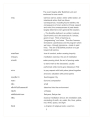
กรรม kamma; karma; action; deed; willed action; an intentional action that has future consequences, including future reboots; th
This text delves into the fundamental concept of kamma (karma) in Buddhism, emphasizing that every intentional action we perform leads to future consequences. The Buddha defines kamma as volition (cet
61
Meditation and Mindfulness Concepts
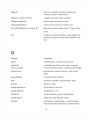
…oth hands together and
bow
อะ
อัคถญญ
ungrateful
อุคคล
unwholesome; immoral; impure; bad
อุคลธรรม
unwholesome action; bad action; wrongful
action อุคลศาสตร์
immoral consciousness; unwholesome thought
อุคลธรรมบท
unwho…
เนื้อหานี้นำเสนอแนวคิดสำคัญเกี่ยวกับการทำสมาธิและการมีสติ โดยเน้นเรื่องคุณงามความดีที่ต้องบ่มเพาะในจิตใจ เรียนรู้ที่จะดูสิ่งต่างๆ อย่างผ่อนคลายโดยไม่ติด Attachment และความรู้สึก และแสดงความเคารพต่อพระ
161
The Power of Right Action and Compassion
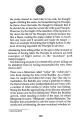
the snake started to crush him in his coils, he thought again of killing the snake, but remembering his Precepts he threw down the knife. He thought to himself, that if he should die, at least he woul
This text illustrates the significance of Right Action in Buddhist practice, showcasing a layman's resolute adherence to Precepts when confronted by a snake. The narrative emphasizes that true abstent
242
Glossary of Key Buddhist Terms
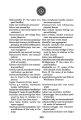
Kakusandha (P. the name of a käya samphassa (tactile contact: past Buddha) see sense-contact)
kalla (see embryonic precursor) käyasucarita (see wholesome
kāma (see sensuality) physical deeds)
kāmabhav
This text provides a glossary of key Buddhist terms, including definitions and insights into concepts such as Käyasucarita (wholesome physical deeds), Kāmabhava (sense-sphere existence), and various f

50
การเลี้ยงดูเด็กให้ฉลาดและมีคุณธรรม
Chapter 7
Raising Children to Be Smart and Virtuous
Our world seems to become smaller in terms of its
interconnectedness. Changes occurring around the world have
immediate effects on us socially and e
Raising Children to Be Smart and Virtuous Our world seems to become smaller in terms of its interconnectedness. Changes occurring around the world have immediate effects on us socially and economicall

55
การเลี้ยงดูเด็กให้มีความดี
Raising a Child to be Wholesome
Wholesome children have parents who have taught them
to have discipline in both their worldly lives and in Dhamma.
Discipline is taught in conjunction with their use of
Raising a Child to be Wholesome Wholesome children have parents who have taught them to have discipline in both their worldly lives and in Dhamma. Discipline is taught in conjunction with their use of
57
Raising Children: Building Good Habits
Part Two: Raising Children
In order to develop good habits, we must understand two
things:
(1) Heredity plays an important part in developing
virtuous habits. If the parents practice good habits,
even
In nurturing children, both heredity and environment play crucial roles in developing good habits. Parents should embody virtuous behaviors even before conception and continue these practices post-bir
94
Understanding Merit and Demerit: The Law of Karma
The opposite of merit is demerit, or ‘sin’. Demerit is the product of bad deeds. Bad deeds cause ‘bad karma’. Demerit is a negative energy that is created when a bad deed is performed: mentally, bodil
The opposite of merit is demerit, representing the consequences of bad deeds which cause negative karma. Both good and bad deeds are governed by the Law of Karma, where actions determine outcomes in t
113
Understanding the Dhamma Body and Its Significance
Dhamma Body, thereby make themselves invulnerable to
the action of defilements. In the past we might have been
unable to give up unwholesome behaviours (such as drink-
ing alcohol) in spite of knowing
The Dhamma Body, or Dhammakāya, represents the essence of Buddhism, highlighting the journey towards enlightenment. By attaining the Dhamma Body, individuals can free themselves from defilements such
120
The Path of Right Actions in Buddhism
1. Right View
The Buddha taught that Right View is a fiercely accurate understanding of life and the world based on the benchmark of Nirvana, a thorough understanding of all four Noble Truths, and pra
This text elaborates on essential aspects of Buddhism focusing on Right View, which is the accurate understanding framed by Nirvana and the four Noble Truths aimed at removing ignorance and craving. I
41
Understanding Family Life and Kamma
Part One: Family Life
is situated in the universe. We do not even know where we
will go after we die. Everywhere we turn there are so many
questions and the answers are illusive.
Why do some people di
ในบทนี้เราสำรวจคำถามเกี่ยวกับชีวิตครอบครัวว่าทำไมบางคนเกิดมาแตกต่างกันและสิ่งที่กฎหมาย กมม กล่าวถึง การกระทำที่เกิดขึ้นมีผลต่อผลที่เกิดขึ้นในอนาคต ครอบครัวมีบทบาทสำคัญและผลกระทบของกรอบการใช้ชีวิตเป็นอ
54
The Purification of Offerings in Dakhināvíbhanga Sutta
54
The Virtue of Absolving
6. Dakhināvíbhanga Sutta
13. "And how is the offering purified both by the giver and by the receiver? Here the giver is virtuous, of good character, and the receiver is
The Dakhināvíbhanga Sutta presents insights on how offerings are purified based on the character of both the giver and receiver. It delineates scenarios: when a virtuous giver offers to an immoral rec
22
Understanding the Five Types of Mara
Suzanne Jeffrey
"The second type is called Kanta Mara and that is about the human body. Our present biology says that man is body, but in higher biology, man is composed of the human body and the min
In this excerpt, Suzanne Jeffrey elaborates on the concept of Mara, describing five distinct types: Kanta Mara (the body and mind functions), Gamma (action from karma), Deity (false gods), Matuman (fe
49
Understanding the Eightfold Path in Buddhism
Suzanne Jeffrey
"The path begins with Right View, Samma-Ditthi. This is also called Right Understand-
ing. On one level, this means that we understand that there is cause and effect: that do-
ing goo
The text outlines the initial parts of the Eightfold Path in Buddhism, emphasizing the importance of Right View, which differentiates good and bad actions based on cause and effect. Right Intention is
125
Understanding Key Buddhist Concepts
"Fools" (palay): spiritually defective people. A fool is someone wicked, weak, or feeble in a moral sense. His discretion is faulty, not knowing right from wrong, good from bad. A fool is one who give
This content delves into various Buddhist concepts such as 'fools'—spiritually defective individuals whose actions reflect moral weakness. It explains that heaven in Buddhism comprises six levels prov